Tracing Incentive-Driven Gaming Habits Through Community-Based Intervention Programs for Varied Age Groups and Cultural Backgrounds
Casey Coleman · Sep 16, 2026
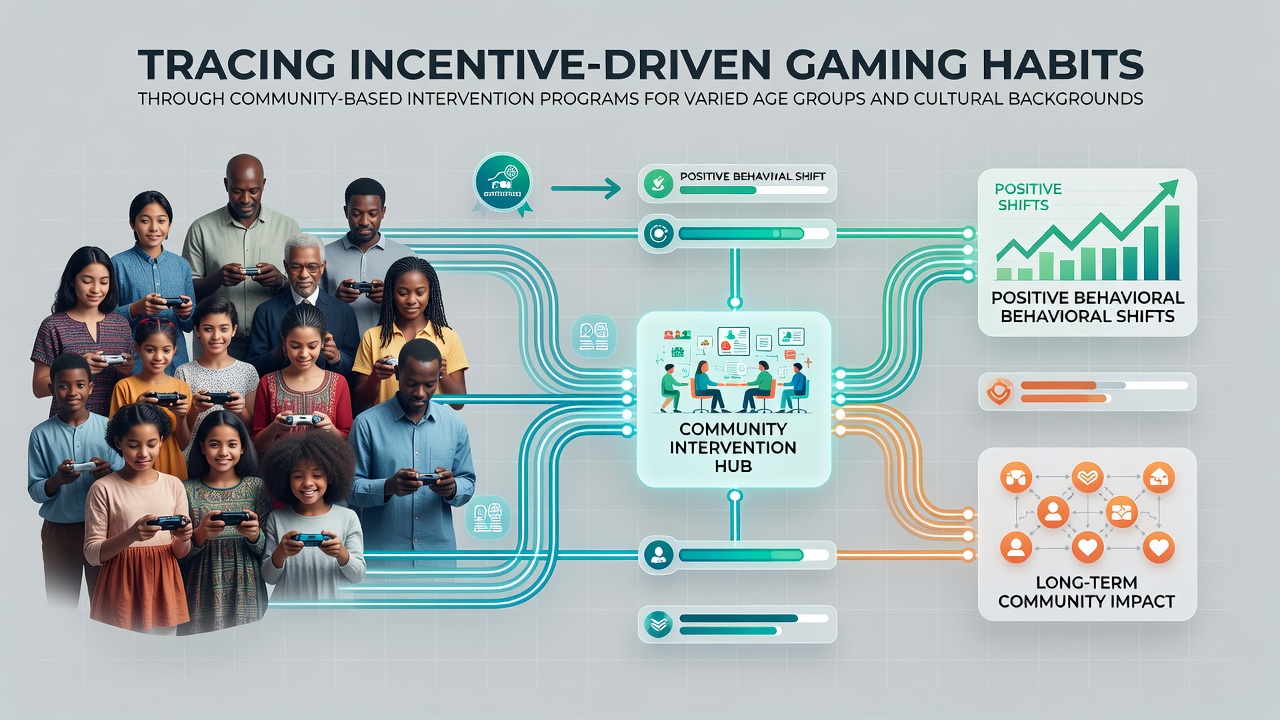
Tracing Incentive-Driven Gaming Habits Through Community-Based Intervention Programs for Varied Age Groups and Cultural Backgrounds
Community-based intervention programs have expanded their focus in recent years to examine how reward systems in digital games influence participation patterns across multiple demographics, and researchers continue to map these connections through localized initiatives that collect behavioral data while offering education and support resources. These efforts often combine surveys, app usage logs, and group discussions to identify trends without relying on clinical settings alone, and they operate in neighborhoods where participants represent wide ranges of ages and cultural heritages.
Age-Specific Patterns in Incentive Responses
Programs serving children and adolescents track how in-game rewards such as points, badges, and limited-time offers shape daily play duration, with data collected from school partnerships showing that participants aged 8 to 12 respond strongly to social sharing features built into many titles. Observers note that teenagers frequently engage longer when competitive leaderboards appear alongside financial microtransactions, and community workers adjust session lengths accordingly to maintain engagement without escalation. Adults between 25 and 45 often demonstrate different triggers, according to aggregated reports from urban centers, where time-limited events tied to real-world spending create distinct habit loops compared with younger cohorts.
Older adults involved in these programs reveal yet another layer, since many encounter gaming incentives through mobile applications recommended by family members, and intervention staff record how retirement schedules affect the timing of reward-seeking behavior. Studies conducted across multiple regions indicate that age segmentation allows programs to tailor follow-up materials, such as simplified tracking sheets for seniors and peer-led debriefs for youth groups, and this segmentation improves retention rates in ongoing monitoring efforts.
Cultural Backgrounds and Program Adaptations
Intervention teams working with immigrant and minority communities incorporate language-specific materials and culturally familiar examples when discussing incentive mechanics, and this approach helps surface habits that standard questionnaires might overlook. In one documented series of workshops held in diverse city districts, facilitators observed that collectivist cultural values sometimes amplify the pull of group-based rewards, prompting adjustments to discussion prompts that highlight family impact rather than individual outcomes alone. Data from these sessions feed into broader databases used by public health agencies, which then compare findings across ethnic lines without assigning causation to heritage itself.
Programs in rural versus metropolitan settings further differentiate their methods, since access to high-speed internet and device ownership varies, and staff members compile usage statistics that reflect these infrastructure differences. Researchers have compiled reports showing that cultural holidays can shift gaming peaks, allowing teams to schedule check-ins around those periods rather than imposing uniform calendars, and this flexibility supports sustained participation from varied groups.
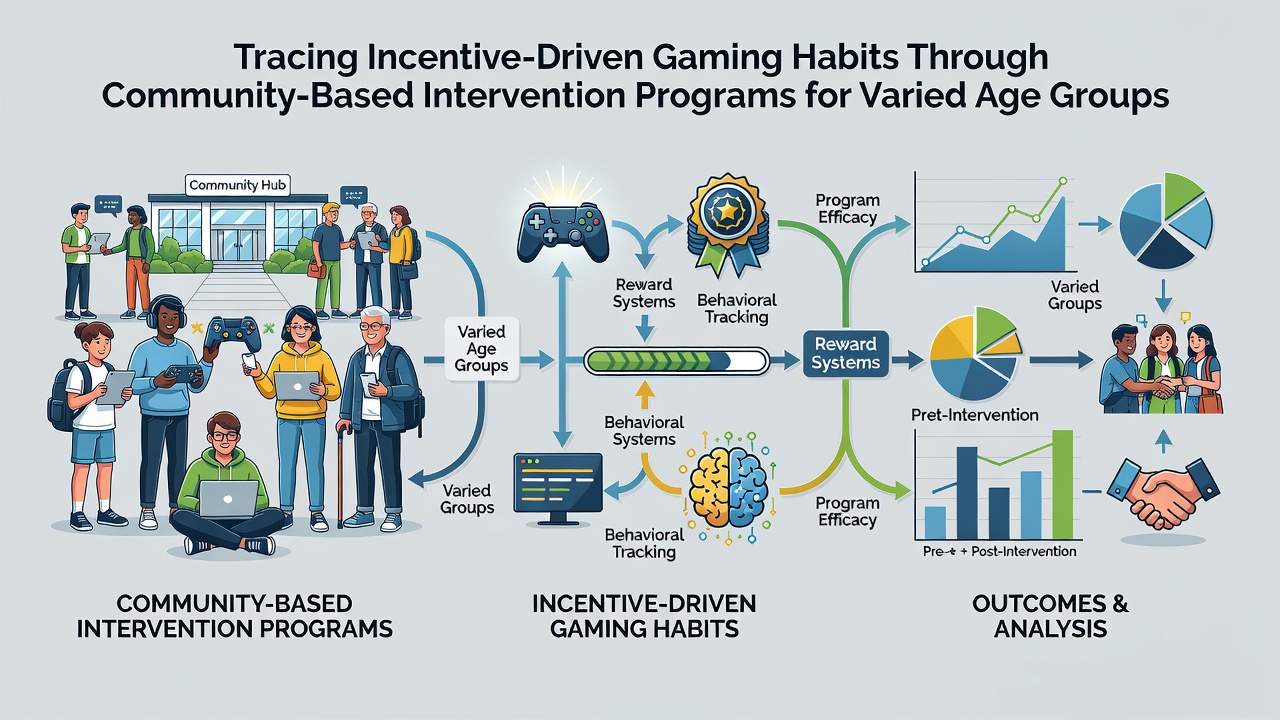
Data Collection Methods and September 2026 Developments
Teams rely on anonymized digital logs combined with voluntary journals to trace how incentive structures correlate with session frequency, and they cross-reference these records against self-reported cultural practices during monthly gatherings. Government health departments in several countries, including those publishing through the Centers for Disease Control and Prevention, supply standardized metrics that local programs adapt for community use, while similar frameworks appear in reports issued by Australian health authorities tracking digital engagement trends. These sources provide baseline figures on screen time and expenditure that help interventions measure change over six-month cycles.
In September 2026, multiple regional coalitions plan to release consolidated datasets from the previous year, and preliminary summaries already circulated among program coordinators highlight shifts in reward responsiveness among bicultural households. Coordinators use these releases to refine training modules, ensuring that new staff understand how economic factors intersect with cultural norms when incentives involve real currency exchanges. The timing aligns with back-to-school periods in many locations, which allows programs to recruit additional families before academic pressures intensify gaming patterns.
Intervention Techniques Across Settings
Community centers deploy weekly discussion circles where participants review personal logs and identify recurring reward triggers, and facilitators introduce alternative activities that satisfy similar social or achievement needs without digital components. Some programs partner with libraries to offer device-free zones during peak evening hours, and attendance records indicate steady uptake among parents seeking structured alternatives for mixed-age households. Educational modules cover the design of probability-based rewards, presented through neutral examples drawn from popular titles, so that attendees recognize mechanics without judgment.
Follow-up support includes optional text reminders that prompt reflection rather than restriction, and program evaluations track whether these prompts reduce unplanned extended sessions over successive weeks. Partnerships with academic institutions supply statistical analysis tools, enabling teams to segment results by age bracket and cultural self-identification while maintaining participant privacy through aggregated outputs only. Such collaborations have produced case examples where neighborhood groups adjusted their outreach after noticing higher engagement with visual rather than text-based tracking aids.
Conclusion
Community-based programs continue to refine their approaches to tracing incentive-driven gaming habits by integrating age-specific and culturally responsive methods, and the resulting datasets contribute to wider understanding of how reward systems operate across populations. Ongoing releases of regional findings, including those scheduled around September 2026, support incremental improvements in intervention design while preserving local autonomy in implementation. These efforts rely on consistent data practices and collaborative networks that span government agencies, research bodies, and neighborhood organizations to maintain objective records of observed patterns.